Frequently Asked Questions
This page explains how our online bridal couture academy works, what you need to get started, and how to choose the right course. If you still have questions after reading, use the quick form to request guidance and we will respond by email.
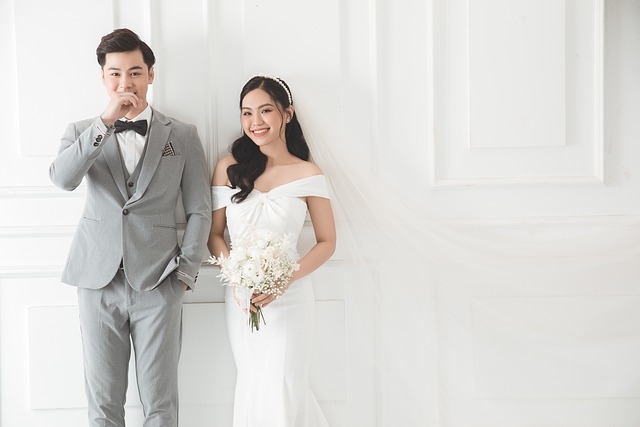
If you are unsure where to begin, start with the course detail page to see how design choices connect to pattern drafting and couture finishing.
Getting Started
Bridal couture can feel complex because it blends design, fit, and refined finishing. These answers focus on the basics that help you begin with confidence and avoid common early mistakes.
Do I need sewing experience?
No. We support beginners who want to learn correctly from the start. If you are new to sewing, choose a beginner course so you can build clean stitching habits, accurate measuring, and fabric handling before moving into bridal-specific techniques.
If you already sew, you can begin with design fundamentals or advanced pattern work. The key is choosing the level that matches your current consistency. Couture outcomes depend less on speed and more on accuracy, pressing discipline, and careful finishing.
What equipment do I need to start?
A reliable domestic sewing machine, sharp fabric scissors, pins or clips, a measuring tape, and an iron are enough to begin learning. Pressing is part of couture construction, so an iron and a suitable surface matter as much as the machine.
As you progress, we explain optional tools that can improve results, such as specialty needles, pressing aids, and hand-sewing supplies for invisible finishing. We do not require industrial equipment for course completion.
How much time should I set aside each week?
Many learners plan two to five hours per week for lessons and practice, depending on the module. Bridal work includes careful preparation steps such as marking, basting, pressing, and fitting checks, which take time but protect quality.
If you have less time, you can still progress by working in smaller sessions. A consistent weekly rhythm often leads to steadier skill development than occasional long sessions.
Are the courses suitable for international students?
Yes. Our courses are online and designed for learners across Europe and worldwide. You can study from any location with a stable connection and basic sewing setup.
Materials and supply availability can vary by country, so we teach selection principles that translate across brands and retailers. Where possible, we describe fabric characteristics and alternatives rather than relying on a single supplier.
Curriculum and Outcomes
These questions address what you will learn, how modules are structured, and what you can realistically expect at the end of a programme. The focus is education and skill-building.
What will I learn in bridal couture design fundamentals?
You will learn how to make design choices that are achievable in construction, how to interpret silhouettes through structure, and how to plan a gown in a way that supports fitting and finishing. The course connects creativity to technical decision-making.
You will also learn core garment logic: how seams shape the body, how linings and interlinings influence drape, and how to select details such as necklines and closures that suit both comfort and aesthetics.
Do you teach pattern drafting and fitting?
Yes. Pattern making is central to bridal couture because fit and structure affect every layer. Our pattern modules cover drafting principles, adaptation methods, and checkpoints that help you test fit before cutting expensive fabrics.
We emphasise measurable steps such as balance, grain placement, and controlled ease, so your fitting process becomes repeatable. If you want the deepest focus on drafting, explore the advanced pattern making course on our courses page.
Do you cover fabric and lace selection?
Yes. Fabric selection is both a design and a technical decision. We explain how weight, stretch, transparency, and surface texture influence construction, including how lace behaves when cut, layered, and applied.
You will learn practical guidance for sampling and testing stitches, choosing needles and thread, and planning stabilisation so delicate materials hold shape without looking heavy.
Are the courses certified?
Course recognition is described per programme. Some courses may include a completion confirmation that reflects the modules covered and your participation, while others focus purely on skill acquisition and portfolio outcomes.
If you require formal certification for a specific institution, employer, or funding requirement, contact us before enrolment so we can confirm what documentation is available for that course.
Enrolment and Business Questions
Many learners want to turn their craft into a professional service. These answers explain what our programmes can support, and where your local context will still matter.
Can I start a bridal business after the course?
Many students use their learning to build a bridal service, a made-to-order practice, or a portfolio for further opportunities. Our business-focused content can help you think through workflow, timelines, client communication, and quality checks.
Business outcomes depend on practice, your local market, and any legal or tax requirements where you live. We do not promise income or client results. We aim to give you a clear, professional process that supports consistent quality.
How do I choose the right course?
Start by assessing how comfortable you are with accurate stitching, pressing, and following a pattern. If those feel new, begin with a sewing foundation course. If you already make garments, consider design fundamentals or advanced pattern making.
If you want help choosing, use the quick form. We will reply with a suggested path and links to the most relevant course pages, based on your stated interest and current level.
Will I receive marketing emails if I submit the form?
When you submit your name and email, we use your details to respond to your request and provide course guidance. If we send optional updates, you will have a clear unsubscribe link in every message.
You can also request deletion of your submission data by contacting us through the contact page. Details about retention and your rights are explained in our Privacy Policy.
Where can I read about privacy and cookie preferences?
You can read our Privacy Policy for full details about data collection, cookies, analytics, and advertising technologies. You can also change cookie choices at any time using the manage cookie preferences link in the footer.
Analytics and marketing cookies are only activated after you provide consent through the cookie banner or preferences panel.
Quick question form
Share your name and email and we will send course recommendations and next steps. We collect this information to respond to your inquiry and to provide relevant enrolment guidance. You can unsubscribe from marketing communications at any time.
Prefer direct support. Visit our contact page for additional options.